
Network utilization is a significant indicator of network performance, as it reflects the percentage of available bandwidth being consumed. Monitoring utilization allows you to identify whether the network is under or overutilized, thus influencing the overall user experience and data throughput efficiency.
As organisations rely more on digital infrastructure, understanding and managing network usage becomes essential for optimal operations.
This blog will evaluate the concept of network utilization, explain its relevance, and provide practical guidance on how to monitor and analyze network performance, avoid congestion and increase productivity.
What is Network Utilization?
Network utilization is the current usage level of available network resources, expressed as a percentage. It reflects what portion of a network’s total potential capacity is actively in use during a given data transfer period.
When network utilization reaches high values, performance and transmission speeds decrease. Optimal utilization levels, on the other hand, help maintain network efficiency. Because poor management of this metric directly leads to poor performance, it requires close, ongoing attention.
What is network utilization rate?
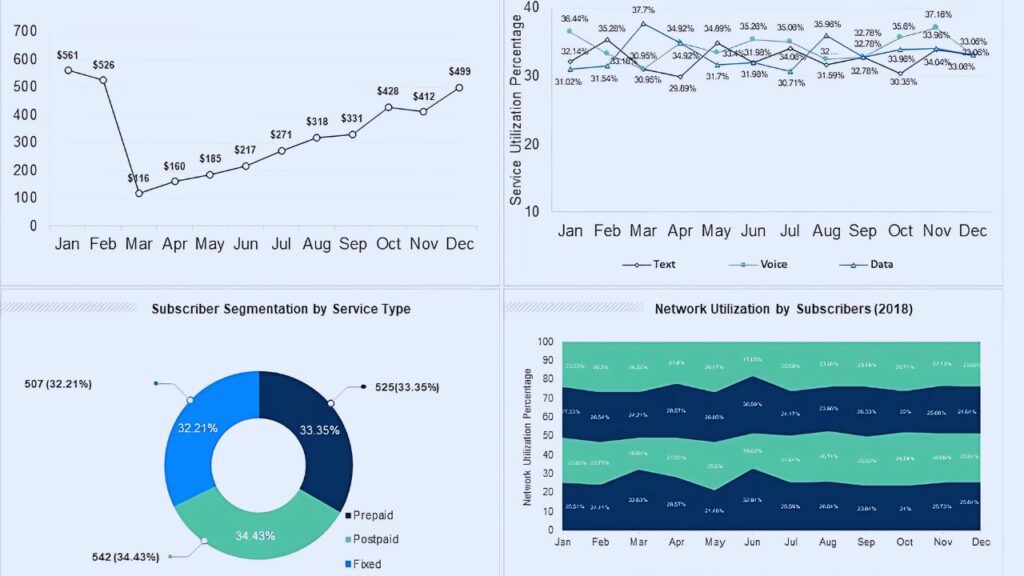
Network utilization rate describes the percentage of a network’s total bandwidth capacity being consumed by actual traffic over a specific period of time. This metric is expressed as a percentage, indicating how heavily available network resources are being used.
Network performance evaluation, capacity planning, and resource utilization assessments all rely on this rate as an essential measurement tool for determining efficiency.
A network with consistently high utilization rates is likely to experience performance degradation — including crashes and slowdowns — due to overload. Effective capacity planning and efficient resource usage depend heavily on this rate to optimize performance and prevent bottlenecks and overloads.
What are the business implications of network utilization?
Network utilization affects both operational efficiency and financial performance:
- Operational continuity. A well-managed network minimizes disruption to business operations and keeps productivity up across every team.
- Smarter resource allocation. Effective allocation reduces unnecessary infrastructure spend. Poor allocation leads to financial losses and business disruption, a risk that grows as IT infrastructure spreads across cloud and edge environments.
- Better decision-making. System-wide utilization data gives companies the information they need to invest in the right places for future growth.
Optimal network utilization is closely tied to business continuity, which is exactly why robust planning and management matter so much, particularly in sectors like healthcare and education, where uptime and data protection aren’t negotiable.
Best Practices for Optimizing Network Utilization
The following best practices will prepare you to achieve optimal network utilization. The optimal performance of your business network requires you to understand and follow best practices.
These optimization methods will provide you with a guide to implement dependable tools to help optimize network performance.
- Use similar tools for continuous network monitoring to receive instantaneous real-time reporting about network performance together with utilization metrics. The system provides real-time visibility into network performance thus enabling quick resolution of problems to prevent user disruptions.
- Quality of Service (QoS) controls should be deployed to maintain traffic priorities which provide essential applications priority bandwidth over other network activities. The network infrastructure should priorities business critical applications during high utilization.
- Load Balancing solutions should be deployed to distribute network traffic evenly across available resources. This prevents individual devices and routes from becoming overloaded, thereby increasing overall network efficiency.
- To achieve optimal routing performance, network engineers should deploy protocols that direct data along the most efficient network paths. Minimizing unnecessary hops reduces latency and improves network performance.
- Bandwidth resources should be allocated according to application requirements. The network administrator should adjust bandwidth capacity according to the criticality of the information processed by each application.
- Regular updates to network capacity planning ensure you maintain adequate system resources to manage rising demands and traffic peaks. Strategic implementation of network resources helps mitigate shortages and bottlenecks.
- Network devices require sufficient CPU and memory to process traffic loads effectively. Device resources should be updated regularly and upgraded as needed to handle increased demand.
- The network’s design should follow an efficient strategy during its planning and design phase. Design networks to minimize distance data transmission along with reducing excess router jumps.
- Your network should undergo periodic audits to assist in identifying and resolving utilization problems. Review your network performance levels while making changes according to observed results.
- The utilization of cloud services becomes optimized through dynamic resource adjustments that establish better alignment between actual service usage and available resources. Cloud providers offer features of auto-scaling that allow you to take advantage and optimize costs and resource allocation.
- CDNs enable content delivery through local servers that decrease network traffic levels near user locations.
- The implementation of these network monitoring best practices helps organizations optimize their network utilization while enhancing network performance.
What is Network Utilization Monitoring?
Network utilization monitoring is the process of continuously observing and analyzing network traffic and the resources of network devices.
It encompasses various metrics, including data transmission rate, bandwidth utilization, and traffic classification. The primary goals of network utilization monitoring are:
- Assess resource utilization: Businesses can evaluate network resource usage, identify congestion points, and determine ways to improve performance.
- Monitor for anomalies: This helps identify unauthorized or abnormal traffic fluctuations that could signal a security breach or cyberattack — a core reason utilization monitoring should work hand in hand with dedicated network security tools to maintain network integrity.
- Support capacity planning: Understanding historical and real-time utilization data helps organizations plan for future capacity requirements, ensuring the network can sustain both current and future needs.
- Reveal utilization patterns: This allows organizations to identify trends and gather insights that inform bandwidth subscriptions, infrastructure investments, and other cost-related network management decisions.
How to monitor network utilization
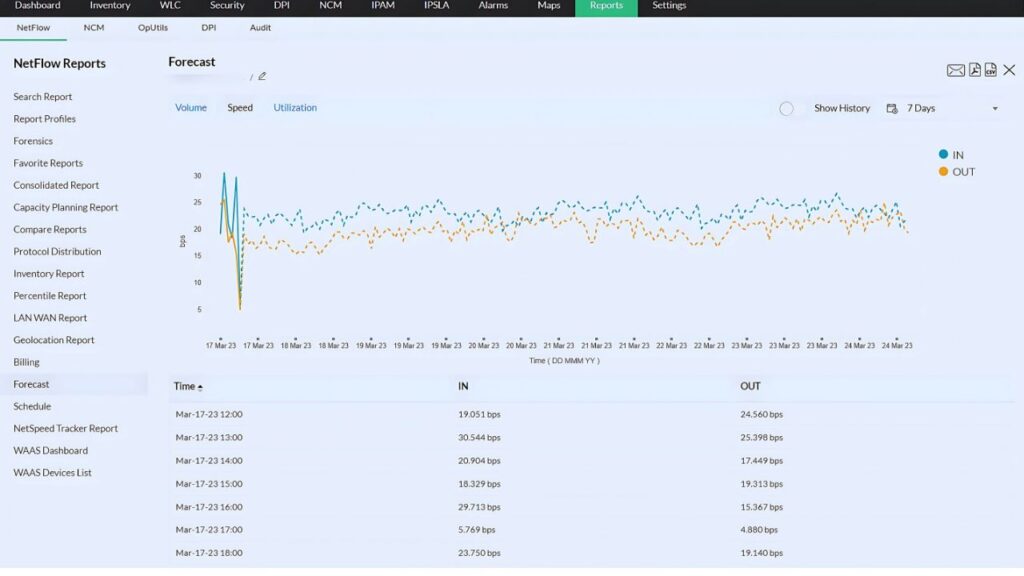
To avoid slowdowns and ensure reliable performance, network utilization must be kept within appropriate ranges, and network traffic needs to be monitored effectively. This requires focusing on Key Performance Indicators (KPIs),implementing the right tools, and monitoring data closely.
Identify key KPIs
Managing network health relies on focusing on relevant KPIs. The following are important KPIs to be aware of:
Bandwidth usage:
- Measures the volume of data transmitted across a network within a given time period.
- High bandwidth utilization can indicate potential network congestion.
Packet loss:
- This measures the number of data packets that do not arrive at their intended destinations.
- Increasing packet loss rates indicate network issues
Latency:
- Measures the delay in data transmission from one point to another.
- Latency spikes indicate network congestion or aging hardware.
Jitter:
- Measures the variation in delay between received packets.
- High levels of jitter impact real time applications, such as video calls, leading to a degraded user experience.
Techniques for network utilization monitoring:
Real-time traffic analysis
This entails monitoring the flow of network traffic on a continuous basis to quickly detect and identify problems. This is an essential factor in the detection and immediate response to any problem in your network, which can lead to faster resolution times and mitigate degraded performance for users.
Historical data analysis
Analyzing historical network usage data allows you to identify patterns and trends, which helps with capacity planning for future requirements. Understanding the historical context is essential for long term network planning optimization.
Threshold-based alerts
By setting predefined limits on network usage parameters and configuring alerts to trigger when these thresholds are exceeded, the issues can be addressed promptly. Threshold-based alerts are a crucial component to maintain network stability, and without them, overutilization or underutilization would result in revenue loss.
Automated health checks
Regular automated checks are performed on network components to ensure system health and detect any early signs of potential issues. This proactive approach maintains consistent network performance and minimizes downtime. For more visibility, Nile’s Access Service combines both threshold-based alerts and automated AI monitoring.
Predictive analytics
Advanced algorithms use historical data to provide current trend analysis, future prediction statistics of network performance. This assists in identifying performance issues and prevents negative outcomes before they affect performance. Strategic network management and capacity planning heavily involve predictive analytics.
What parts of the network are most affected by poor network utilization?
There are several components of a network that are negatively impacted by high utilization rates.
- Poor network utilization can cause routers and switches to experience operational overload or perform sub-optimally which creates delays and reduces data routing effectiveness.
- Inefficient data transmission utilization results in bandwidth either reaching maximum capacity or underutilization which negatively affects network throughput .
How do you fix high network utilization?
1. Upgrade network infrastructure
The initial step involves the evaluation of your network equipment followed by hardware upgrades where required to increase system capacity. This enables the efficient distribution of higher traffic loads.
2. Implement bandwidth management
Implement Quality of Service which enables critical applications to receive sufficient bandwidth, minimizing disruptions and optimizing application performance.
3. Optimize application performance
Conduct a review to optimize the performance settings of applications that handle large volumes of data. By scheduling large data transfers or updates during off-peak hours and controlling the frequency of these updates, companies can reduce the requirements of network resources during peak times.
Conclusion
Network utilization remains a critical factor in maintaining network stability and reliability. Monitoring these metrics gives organizations the opportunity to resolve network-related issues — including high bandwidth utilization and elevated latency — and optimize overall system performance.
Businesses achieve better communication, lower downtime, and improved productivity by using proper network monitoring tools and real-time data to guide usage decisions. As modern businesses depend increasingly on digital systems, strategies that use network resources effectively deliver both stronger business performance and meaningful cost reductions, making network utilization a fundamental part of any robust IT management approach.
Ready for real-time visibility into your network utilization? Splitpoint Solutions helps IT teams monitor, optimize, and secure network performance with MIVU. Talk to our team for a free consultation.